Press Release
30/05/2023
This methodology determines the optimal switch-on and switch-off times of lighting control panels, taking as reference the minimum light levels established by the Spanish Electricity Network (REE).
Currently, there is no precise adjustment of these times, and in many cases, streetlights remain on even when natural daylight exceeds the minimum lighting levels defined by the REE.
In fact, in most cases, sunlight provides greater illumination than the luminaires themselves, leading to unnecessary energy and financial waste.
After working on more than 500 public lighting projects through energy service companies, EnergyTAS aimed to demonstrate that additional savings could be achieved by optimizing switch-on and switch-off schedules.
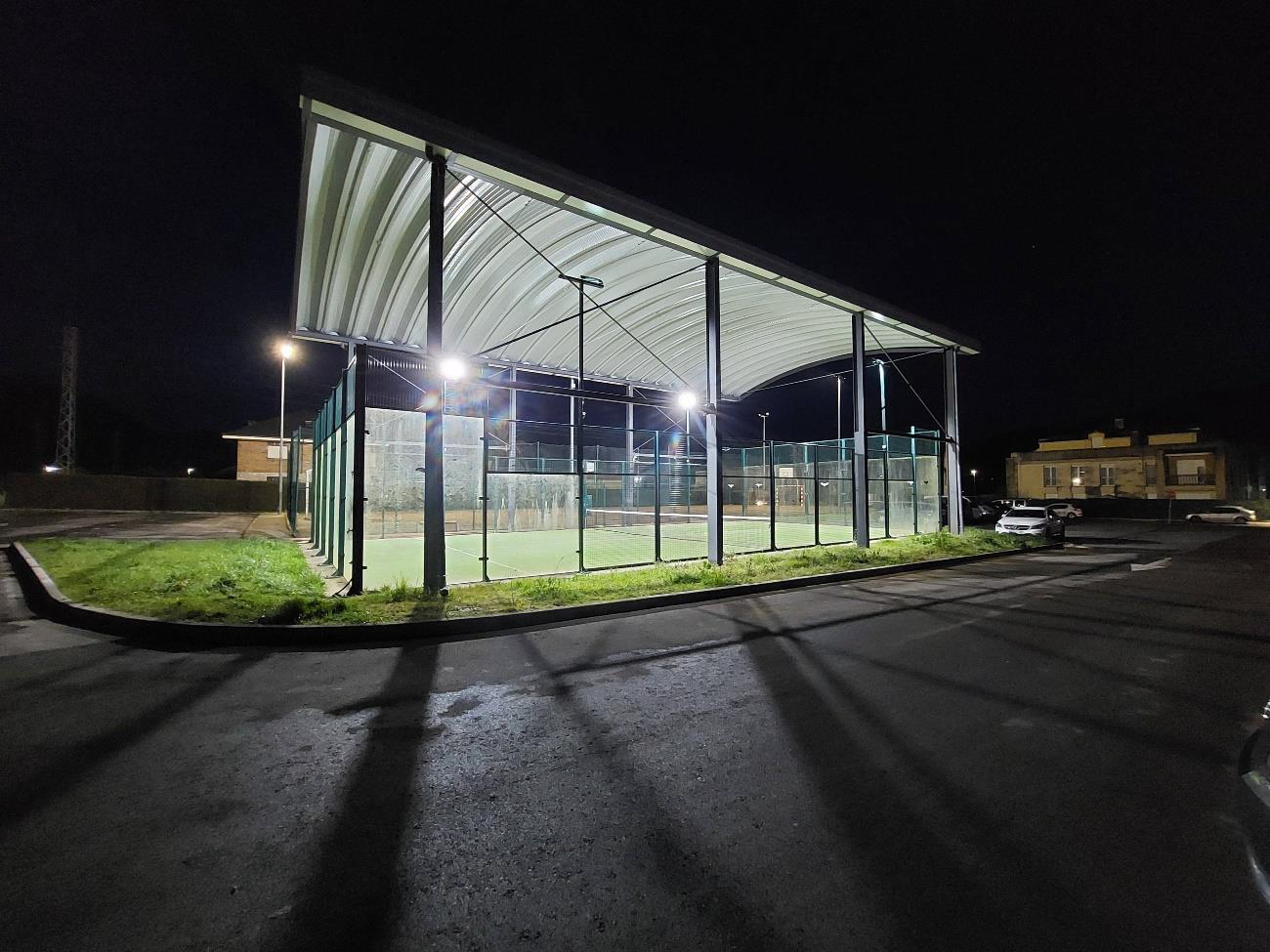
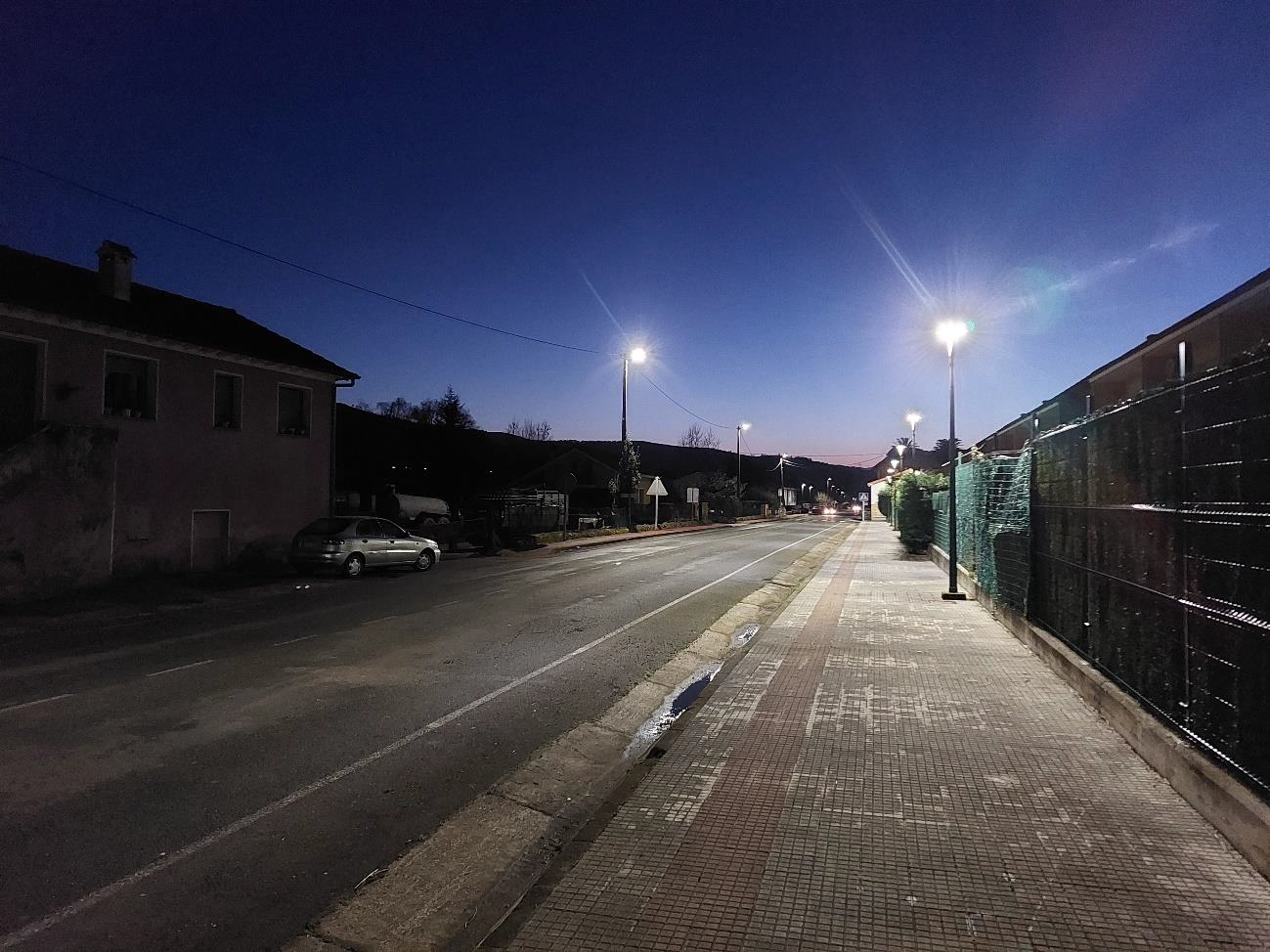
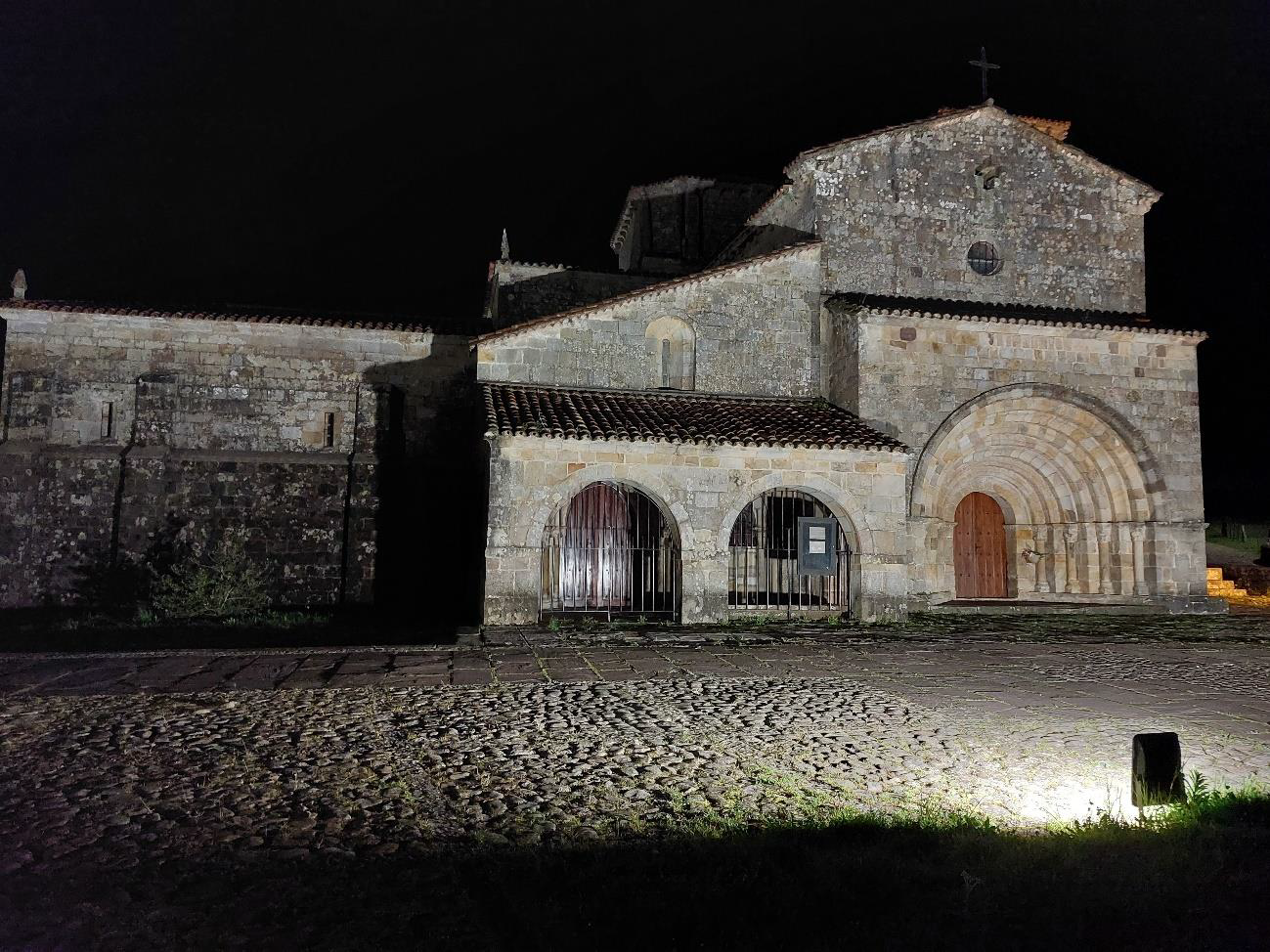
To that end, the company carried out a detailed study in the municipality of Castañeda (Cantabria), which had modernized its lighting system through an energy service company at the end of the previous year.
The study demonstrated that lighting activation and deactivation times occurred while sunlight was still present, exceeding the luminance levels provided by the streetlights in any area of the municipality.
By applying the Broken Light Program methodology, an additional 5% energy saving can be achieved on top of the already estimated savings — equivalent to 14 minutes less of lighting per day.
Typically, municipalities use a standardized schedule for switch-on and switch-off based on a public timetable provided by the Ministry of Transport, Mobility, and Urban Agenda, within the range of civil twilight.
However, this system does not consider the actual luminance levels of the lighting systems, resulting in inefficiencies that prevent achieving sustainable and optimized public lighting.
The Broken Light Program is capable of anticipating this issue, helping municipalities achieve greater energy savings and enhance the sustainability of their public lighting systems.
Thus concludes the study conducted by EnergyTAS.